
Australian Art Fairs
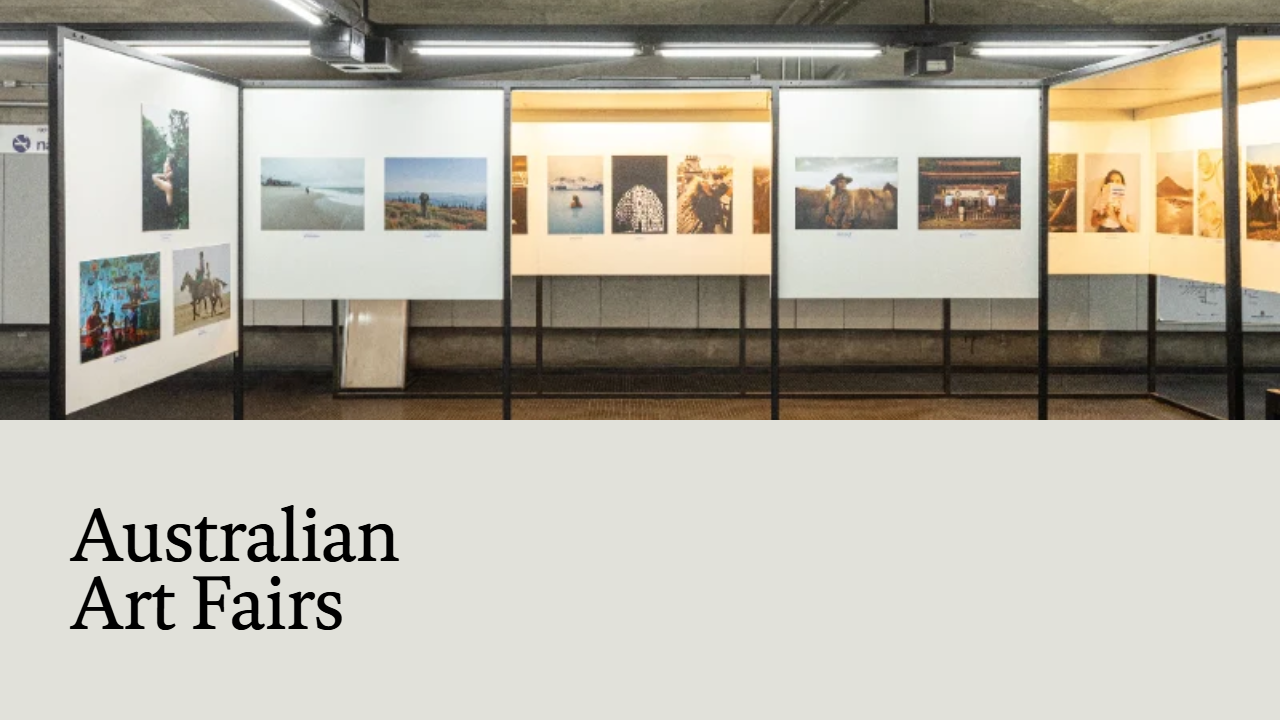
Art fairs are an important part of the contemporary art sector, bringing artists, galleries, collectors, curators and audiences together in one place. They can offer opportunities for sales, professional connections, research and greater visibility, but they also vary significantly in how they operate, who can participate and what is expected from exhibitors.
Some fairs are designed for commercial galleries and represented artists, while others allow independent artists and collectives to apply directly. Understanding these differences can help you identify which fairs are relevant to your practice, what participation may involve and how to approach them strategically.
This guide covers how art fairs work, what to consider before applying or attending, and a directory of Australian art fairs for artists and arts workers to explore.
What are art fairs?
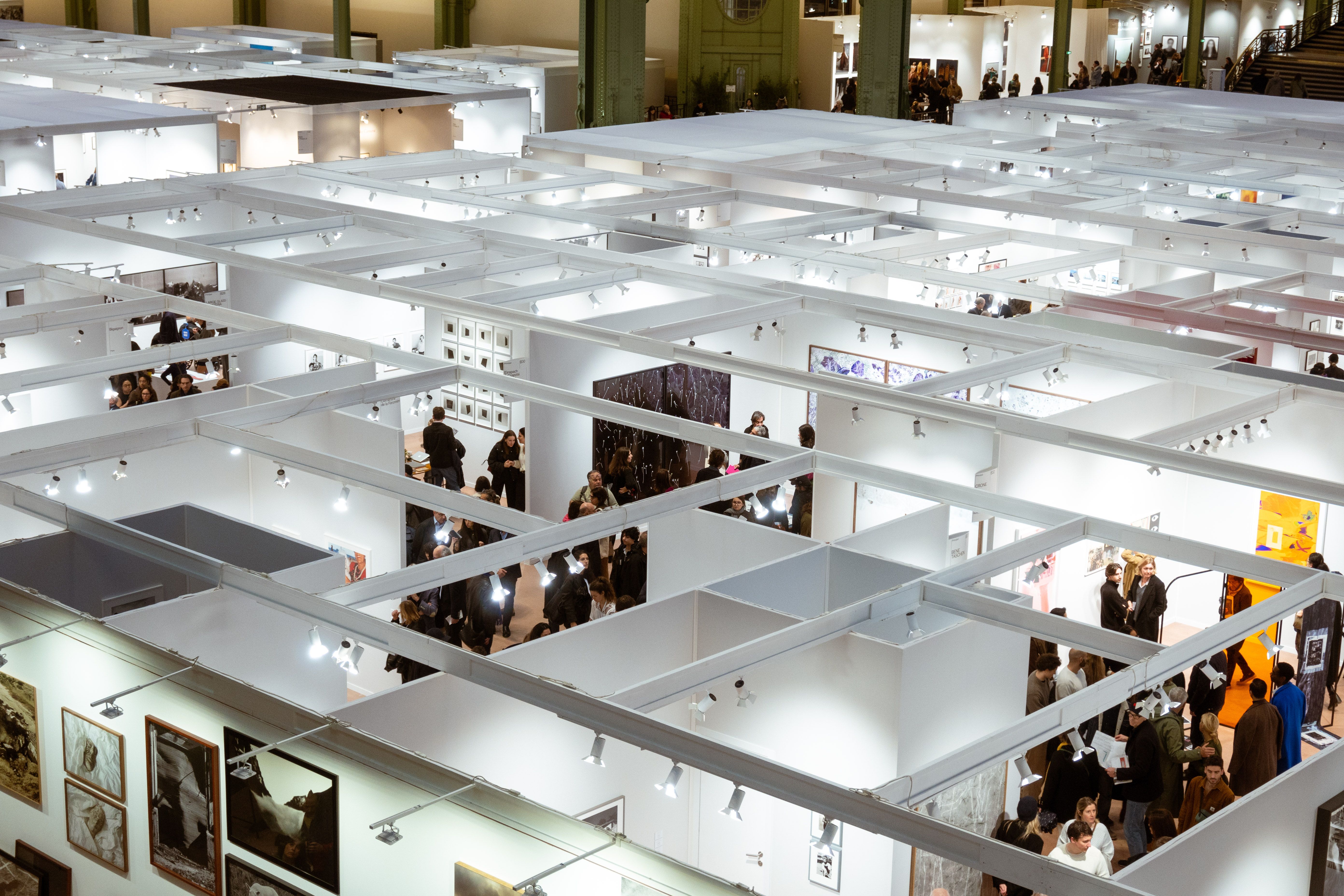
Art fairs are large-scale events that bring multiple galleries, artists and arts organisations together in one location, usually over several days. Exhibitors are generally allocated individual booths or spaces where they present a selection of artworks to collectors, curators, arts professionals and the general public.
Unlike a traditional exhibition, where visitors experience the work of one artist or a small group of artists within a gallery context, an art fair can bring dozens of exhibitors and hundreds of artists together at the same time. This creates a concentrated environment for viewing, discussing and buying contemporary art.
The structure varies considerably between fairs. Some are designed primarily for established commercial galleries, while others accept applications directly from independent artists, collectives, artist-run initiatives and smaller galleries.
Why are art fairs important?
Art fairs are an important part of the commercial art sector because they bring artists, galleries, collectors and arts professionals together within a relatively short period.
For galleries, they provide an opportunity to introduce represented artists to new collectors, develop relationships with curators and institutions, and reach audiences outside their usual location. For artists, participating in a fair can create opportunities for sales, professional connections, greater visibility and future exhibitions or representation.
They can also provide a useful snapshot of the contemporary art market. Looking across a fair can show which artists, galleries, mediums and areas of practice are receiving attention, as well as how work is being priced, presented and discussed.
For artists who are not exhibiting, visiting an art fair can still be useful. It provides an opportunity to research galleries, observe how artists are presented commercially, understand different approaches to pricing and installation, and become more familiar with the organisations operating within the sector.
Who can exhibit?
Eligibility depends on the individual fair.
Major commercial fairs such as Sydney Contemporary and Melbourne Art Fair primarily work with galleries, Indigenous art centres and other approved exhibiting organisations rather than accepting applications directly from individual artists. Sydney Contemporary, for example, requires applications from established commercial galleries and accredited artist agents for its main gallery sectors.
Other fairs provide direct opportunities for independent artists and collectives. Inner West Art Fair accepts applications from emerging and established Australian artists and operates without taking commission on artwork sales, although selected artists pay an exhibition fee for their space.
Before applying, check exactly who the fair accepts rather than assuming every art fair operates in the same way.
Gallery representation and art fairs
If you are represented by a commercial gallery, your gallery will generally decide which artists and works it takes to a fair. An artist does not usually apply separately to participate within their gallery's booth.
Being represented by a participating gallery also does not necessarily mean your work will be shown at every fair the gallery attends. Galleries make decisions based on their curatorial approach, available booth space, the audience for each fair and the work they believe is appropriate for that particular event.
If art fairs are an important part of your professional goals, it can be useful to research which fairs prospective galleries regularly attend and which artists they tend to present.
Applying for art fairs as an independent artist
Some art fairs allow artists to apply directly for their own exhibition space. In these cases, participation often works differently from a gallery-led fair.
Artists may be responsible for paying a booth or participation fee, transporting the work, arranging insurance, installing and deinstalling the booth, staffing the space, managing sales and processing payments. You may also be responsible for accommodation and travel if the fair is outside your city.
Before applying, read the conditions carefully and calculate the complete cost of participating rather than looking only at the application or booth fee.
Consider:
-
Application and participation fees
-
Freight and transport
-
Insurance
-
Framing or presentation
-
Display equipment
-
Accommodation and travel
-
Payment processing fees
-
Packaging
-
Installation and deinstallation
-
Marketing materials
-
Your total time across the entire event
Is an art fair right for you?
An art fair can provide valuable exposure and sales opportunities, but participating is an investment of both money and time.
Before applying, consider the fair's audience and how closely it aligns with your work. Look at previous exhibitors, typical artwork prices, visitor numbers, the type of work being sold and the organisations supporting or attending the event.
You should also consider what you want to achieve. Your priority may be making sales, meeting collectors, introducing your work to galleries, testing a new body of work or building professional relationships. Knowing this beforehand can help you determine if the cost of participating makes sense for your practice.
A busy fair is not automatically a useful fair for every artist. The right audience is generally more important than the largest audience.
Preparing for an art fair
If you are selected to exhibit independently, preparation should begin well before the fair opens.
Plan the body of work you will present and consider how individual pieces will work together within the available space. Confirm dimensions, wall restrictions, lighting, furniture and installation requirements before designing your display.
You will also need clear pricing and information about each artwork, along with a reliable method for recording and processing sales. Prepare packaging for sold works and decide in advance how collection, delivery or freight will be managed.
Your website, artist biography, mailing list and social media should also be current before the event, as visitors may research your work after meeting you rather than purchasing immediately.
Art fairs can generate follow-up enquiries well after the event itself, so keep records of contacts and make time after the fair to respond to enquiries, update collectors and follow up with relevant professional connections.
Visiting a fair as an artist
You do not need to exhibit to get value from an art fair.
Walking through a fair can be useful professional research, particularly if you are interested in gallery representation or understanding the commercial sector.
Take note of the galleries presenting work relevant to your practice, the artists they represent, how work is installed, the range of price points and the types of presentations that attract attention.
Avoid approaching a gallery during a busy fair simply to ask for representation or show your portfolio. Their priority during the event is usually selling work and speaking with existing and prospective collectors. Instead, use the fair to identify galleries you may want to research further and approach appropriately at another time.
Australian Art Fair Directory
Sydney Contemporary
Carriageworks, NSW
Sydney Contemporary is one of Australia's major contemporary art fairs, bringing together more than 100 galleries and hundreds of artists from Australia and overseas. Alongside gallery presentations, the fair includes installations, performances, talks, artist presentations and other public programs.
Participation is primarily through galleries and approved exhibiting organisations rather than direct applications from independent artists.
Galleries
Melbourne Art Fair
Melbourne Convention and Exhibition Centre, VIC
Established in 1988 and produced by the nonprofit Melbourne Art Foundation, Melbourne Art Fair presents contemporary art through galleries, Indigenous-owned art centres and selected art organisations.
The fair combines gallery presentations with large-scale installations, commissions, video, talks and other programs. Its current format places a strong emphasis on solo and tightly curated presentations.
Galleries
Affordable Art Fair
Melbourne, Sydney & Brisbane
Affordable Art Fair operates internationally and presents contemporary artworks within an established price range. Its Australian fairs bring together galleries presenting work by emerging and established artists, with a strong focus on introducing contemporary art to new and developing collectors.
Artists generally participate through exhibiting galleries rather than applying directly as individuals.
Galleries & Collectives
Spring1883
Melbourne, VIC
Spring1883 is a contemporary art fair traditionally held within Melbourne's Hotel Windsor, with participating galleries presenting work from individual hotel suites rather than conventional exhibition booths.
The smaller format creates a different environment from Australia's larger convention-style fairs and has historically included galleries and artist-run organisations from Australia and New Zealand.
Galleries & Arts Organisations
Inner West Art Fair
Williamstown, VIC
Inner West Art Fair provides direct exhibition opportunities for emerging and established Australian artists across painting, sculpture, ceramics, photography, textiles, printmaking and other forms of contemporary practice.
Artists apply directly and, if selected, pay for their exhibition space. The fair operates on a zero-commission model, allowing artists to retain the proceeds from artwork sales.
Independent Artists & Collectives
The Emerging Art Fair
Melbourne, VIC
The Emerging Art Fair is an artist-led fair focused on emerging and unrepresented Australian artists. Curated by Amber Creswell Bell, the fair allows selected artists to present and sell their work directly to collectors without gallery representation. It is open to painters, photographers, ceramicists, fibre artists and sculptors, with artists selected through a curated application process.
The fair operates on a low-cost, commission-free model, allowing participating artists to retain the proceeds from their sales.
Independent Artists
theemergingartfair.com.au
