
Artist Run Initiatives
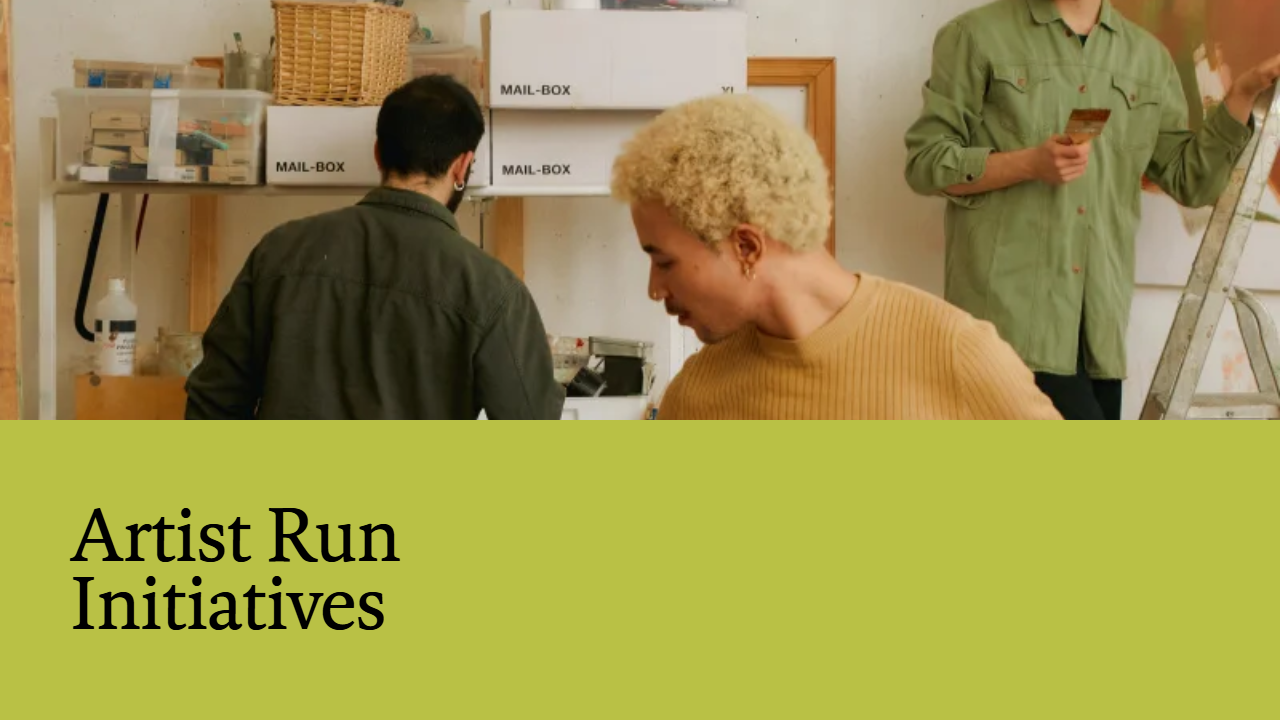
Artist-run initiatives, commonly known as ARIs, have long played an important role in the Australian arts sector by creating spaces where artists can exhibit, experiment, collaborate and develop their practice outside traditional commercial and institutional settings.
They can be particularly valuable for emerging and early-career artists looking to gain exhibition experience, develop professional networks and test new work, but they are not limited to artists at the beginning of their careers. Many established artists, curators, writers and arts workers continue to engage with ARIs because they provide opportunities to work independently, take risks and contribute directly to the communities around them.
This guide explains how artist-run initiatives work, what they can offer, what to consider before applying and where to find artist-run and artist-led spaces around Australia.
What are artist-run initiatives?
Artist-run initiatives are galleries, collectives, project spaces, organisations and programs established and led by artists.
They generally operate independently from commercial galleries and larger cultural institutions, creating opportunities for artists and curators to develop and present work within an artist-led environment.
There is no single model for an ARI. Some operate permanent galleries or studios, while others work through temporary exhibitions, residencies, publications, performances, online projects or programs presented across different locations.
Some are managed entirely by volunteers, while others operate as incorporated not-for-profit organisations with paid staff, artist-led boards or committees. An organisation may also begin as a small artist-run project and develop into a larger contemporary arts organisation over time.
What generally connects ARIs is the role artists play in determining how the organisation operates, what it supports and how work is developed and presented.
Why are they important?
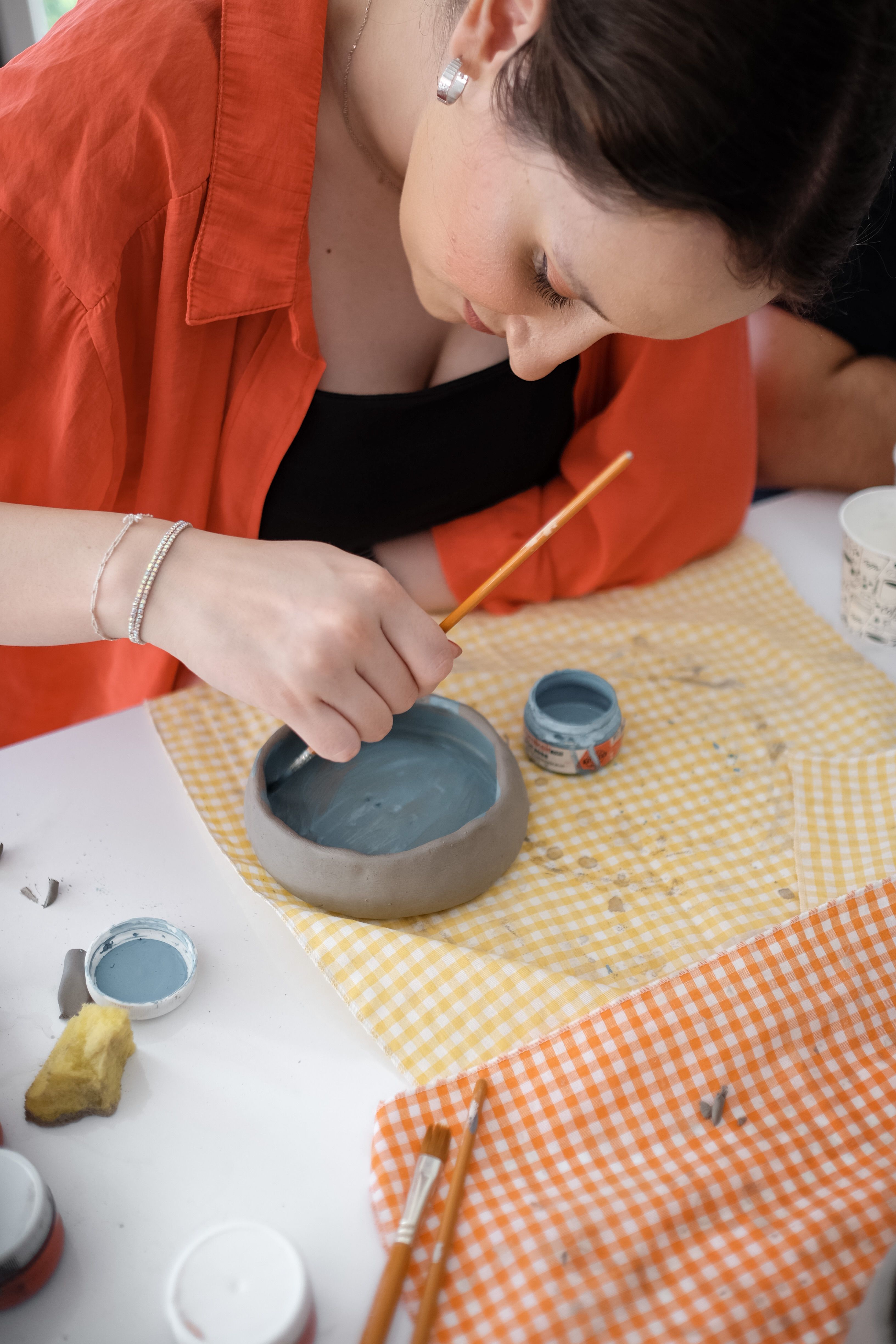
ARIs provide space for artists to develop work that may not readily fit within commercial galleries or larger institutions, particularly work that is experimental, interdisciplinary, emerging or still developing.
For early-career artists, exhibiting through an ARI can provide practical experience in writing exhibition proposals, planning installations, communicating with galleries, preparing artwork for presentation and working with curators and other artists.
They can also provide opportunities to build professional relationships with other artists, curators, writers and arts workers. Because many ARIs are closely connected to local creative communities, the relationships developed through them can continue well beyond an individual exhibition.
ARIs are also important places for experimentation. Without the same commercial expectations that may exist within a gallery representing artists and selling work, there can be greater space to test new ideas, take risks or present work that is still developing.
Many also run talks, workshops, performances, residencies, publications and other programs alongside their exhibitions, creating opportunities for artists to participate in the organisation in different ways.
What opportunities do ARIs offer?
Exhibiting is only one way to become involved with an artist-run initiative.
Depending on the organisation, opportunities may include:
-
solo and group exhibitions
-
curatorial projects
-
residencies and studio programs
-
graduate programs
-
experimental and interdisciplinary projects
-
performance and live art
-
screenings and sound projects
-
workshops and professional development
-
writing and publishing
-
volunteering
-
gallery sitting and installation
-
committee and board positions
-
programming and curatorial roles.
Some organisations run annual open calls, while others accept proposals throughout the year or develop their programs through curatorial invitations.
If you are interested in working with a particular ARI, follow its website, newsletter and social media rather than waiting until you are ready to apply. This will give you a much clearer understanding of the work it supports and how its program develops over time.

Applying to an ARI
Many artist-run initiatives select artists through open calls or expressions of interest.
Applications will often ask for a project proposal, artist biography, CV and examples of previous or proposed work. Some may also ask for installation plans, budgets or information about the technical requirements of the project.
Before developing an application, spend some time researching the organisation. Look through previous exhibitions and programs, consider the kinds of practices it supports and read any information about its curatorial priorities.
Your proposal should clearly explain what you want to present, the ideas behind the project and how the work will operate within the available space.
There should be a reason that you are approaching that particular organisation. This does not mean changing your work to fit what you think the selection panel wants, but you should be able to demonstrate that you understand the context in which you are proposing to exhibit.
Understand what is being offered
Not every ARI operates under the same financial model.
Some organisations receive government or philanthropic funding and may be able to provide artist fees, production support, installation assistance or equipment. Others operate through gallery hire, membership or participation fees.
Before accepting an opportunity, check exactly what is included and what you will be responsible for.
You may need to consider:
-
exhibition or participation fees
-
artwork production
-
framing
-
freight and transport
-
installation and deinstallation
-
equipment
-
insurance
-
travel and accommodation
-
documentation
-
gallery staffing
-
opening events
-
sales commission.
An exhibition may still be valuable when an artist fee is not available, but you should understand the complete cost before committing.
The same applies to unpaid labour. If you are expected to sit the gallery, install the exhibition, organise events and manage promotion, consider how much time the opportunity will require in addition to the visible exhibition period.
Getting involved beyond exhibiting
You do not need to have an exhibition proposal ready before becoming involved with an ARI.
Many artist-run organisations depend on artists and arts workers contributing through volunteering, gallery sitting, installation, events, committees and boards.
These roles can provide practical experience in areas such as exhibition development, installation, arts administration, programming and organisational governance, while also giving you an opportunity to meet people working within your local arts community.
If you are interested in curating, producing exhibitions or eventually establishing your own artist-led project, spending time inside an existing ARI can also provide a useful understanding of the work involved in running one.
Australian artist-run and artist-led spaces
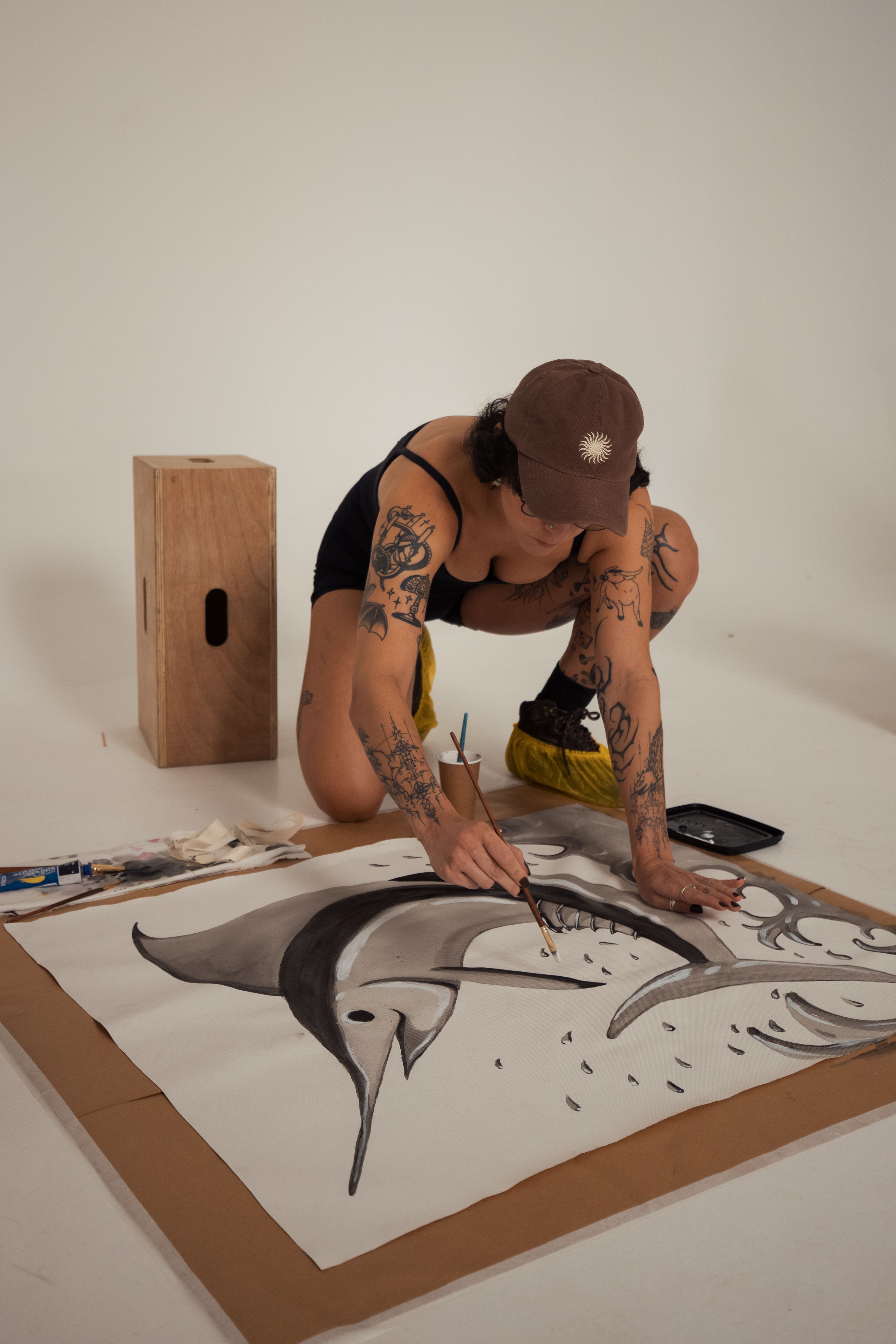
Artist-run organisations can change quickly as funding, leases, committees and artistic programs develop. Some operate continuously for decades, while others are intentionally temporary.
Always check an organisation's current website or social media before preparing an application.
Victoria
-
BLINDSIDE: @blindside_ari | Website
-
BUS Projects: @busprojects | Website
-
fortyfivedownstairs: @fortyfivedownstairs | Website
-
KINGS: @kingsartistrun | Website
-
Off the Kerb: @a13offthekerb | Website
-
Seventh Gallery: @seventhgallery | Website
-
Punctum: @punctuminc | Website
-
Trocadero Projects: @trocaderoprojects | Website
-
Unassigned: @unassigned_gallery | Website
-
West Space: @westspace | Website
-
Mailbox Art Space: @mailboxartspace | Website
-
Cage me a Peacock: Website
-
ROMULUS Folio Gallery: Website
New South Wales
-
Firstdraft: @firstdraft_ | Website
-
Verge Gallery: @vergegallery | Website
-
Sydenham International: @sydenham_international
-
Slag Heap Projects: @slagheapprojects
-
Kudos Arc: @kudos_arc
-
107 Projects: @107projectsinc | Website
-
China Heights: @chinaheights | Website
-
The Lock-Up: @thelockupartspace | Website
-
Frontyard Projects: @frontyardorg | Website
-
Pari: Website
-
Season: Website
-
DRAW Space: Website
Queensland
-
Outer Space: @outerspace.brisbane | Website
-
MAAP: @maap_mediaartasiapacific | Website
-
Wreckers Artspace: @wreckersartspace
-
Umbrella: @umbrellastudiotsv | Website
-
QHY Space: @qhy.space | Website
-
Boxcopy: Website
South Australia
-
FELTspace: @feltspace | Website
-
Floating Goose: @floatinggoosestudios | Website
-
Gallery 42: @gallery_42_
-
The Third Level Studio: @thirdlevelstudios
-
Broken Hill Art Exchange: @brokenhillartexchange | Website
-
Part of Things: @part_of_things | Website
Tasmania
-
Constance: @constance_ari | Website
-
Sawtooth ARI: @sawtootharigallery | Website
-
haus of vovo: @hausofvovo | Website
Western Australia
-
PS Art Space: @ps.artspace | Website
-
Cool Change Contemporary: @coolchangecontemporary | Website
-
Pig Melon: @pig.melon | Website
Northern Territory
-
Watch This Space: @watchthisspace_ari | Website
Australian Capital Territory
-
Tributary Projects: @tributary.projects | Website
