Best Online Shop Website Platforms for Artists
A few years ago, launching an online shop as an artist often felt like a side project, something added to a portfolio website when there was a new print release or leftover work from an exhibition. For many artists, selling online was an occasional activity rather than an established part of their practice.
Today, more artists are managing their own online stores, selling everything from original artworks and prints to merchandise, publications and creative services. For some, it's an additional income stream alongside exhibitions and commissions. For others, it's an opportunity to sell directly to audiences and build a more independent creative business.
So, if you're thinking about selling your work online, where do you start?
There are plenty of platforms to choose from, but the right one depends on what you're selling, your budget and how you want to manage your online presence. Below, we explore seven platforms commonly used by artists, outlining their key features, benefits and considerations to help you find the right fit for your first online shop or an existing website.
What to consider before choosing a platform
Before setting up your online shop, think about what you intend to sell, how many products you'll need to manage and how much time you can dedicate to maintaining your website. Some platforms offer simple storefronts for occasional sales, while others provide more extensive tools for managing inventory, orders and ongoing business activity.
It's also important to consider the costs involved, including subscription fees, payment processing charges, domain registration and additional tools or integrations. Features and pricing vary between platforms and subscription plans, so compare the ongoing costs and check what's included before making a decision.

Big Cartel / bigcartel.com
Big Cartel is an e-commerce platform designed with independent artists and makers in mind. It offers a straightforward approach to setting up and managing an online shop, making it particularly useful for artists who want to sell their work without managing a complex website.
Best For: Artists selling a small selection of original artworks, prints, editions or merchandise.
Features
-
Simple online storefronts and product listings
-
Customisable themes and layouts
-
Inventory and order management
-
Integration with supported payment providers
-
Basic promotional and shop management tools
Considerations
-
Less design flexibility than some website builders
-
Advanced features and integrations may require paid plans
-
Better suited to smaller product ranges than complex inventories
-
Artists are responsible for attracting visitors to their shop
Squarespace / squarespace.com
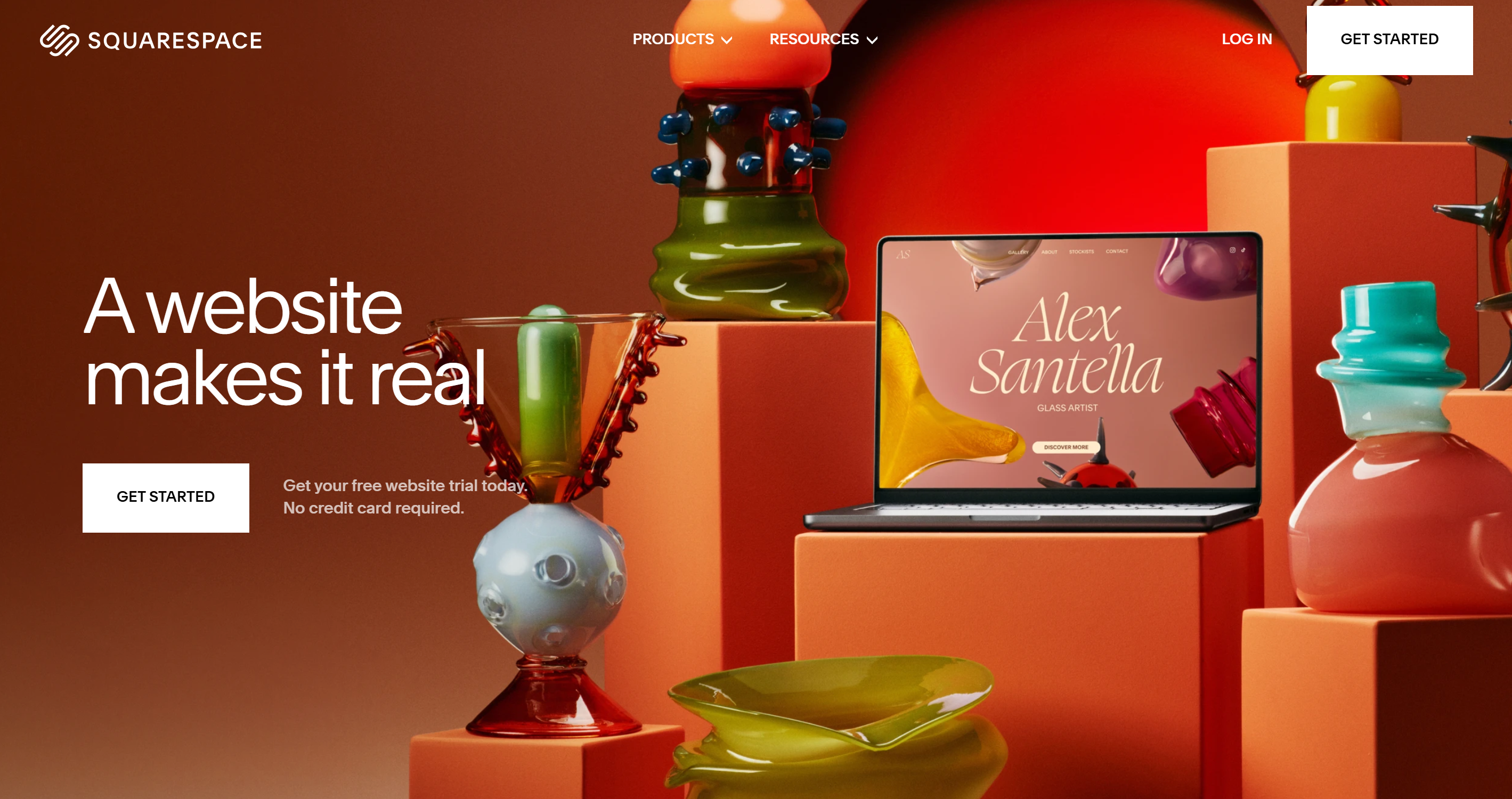
Squarespace combines website design and e-commerce functionality, making it a useful option for artists who want to present their portfolio and sell work through the same website. Its templates place an emphasis on visual presentation, with tools for managing content, products and customer enquiries.
Best For: Artists wanting a professional portfolio website with an integrated online shop.
Features
-
Customisable portfolio and website templates
-
Online shop and product management tools
-
Blogging and content management
-
Search engine optimisation (SEO) features
-
Marketing, analytics and mailing list integrations
Considerations
-
Ongoing subscription costs
-
Some commerce and marketing features depend on the selected plan
-
Less flexibility for highly customised website layouts
-
Additional services and integrations may involve extra costs
Shopify / shopify.com
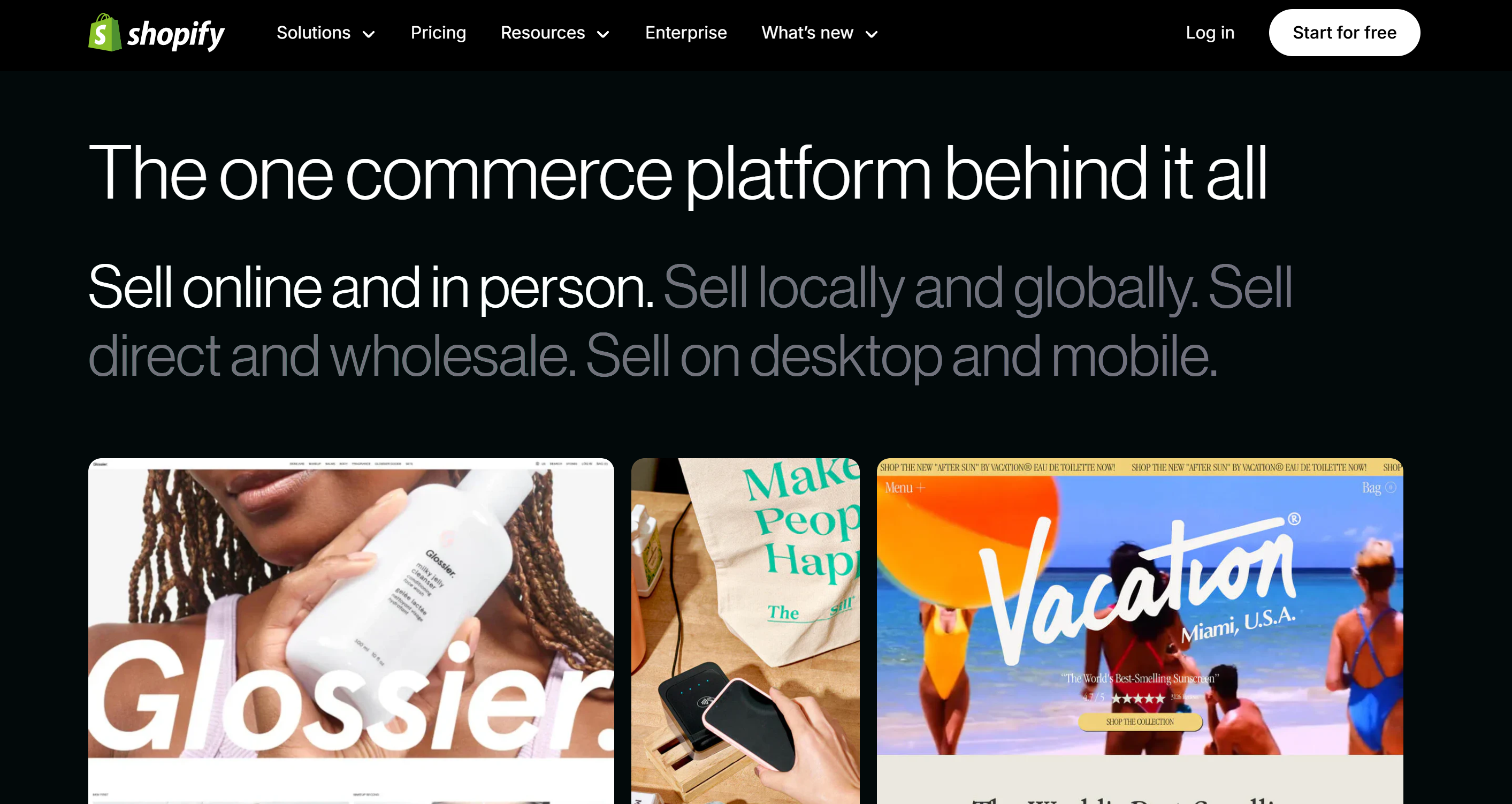
Shopify is an e-commerce platform designed to support online retail businesses. It offers extensive tools for managing products, inventory, orders and customer relationships, making it suitable for artists who regularly sell work or are developing a larger online retail business.
Best For: Artists managing larger product ranges, regular sales or multiple sales channels.
Features
-
Comprehensive online shop functionality
-
Inventory management and order tracking
-
Online and in-person selling options
-
Shipping and payment integrations
-
Marketing tools, analytics and customer management
Considerations
-
Ongoing subscription and payment processing costs
-
Additional applications and premium themes may incur fees
-
More complex to set up and manage than basic storefront platforms
-
May offer more functionality than artists with occasional sales require
Hostinger / hostinger.com
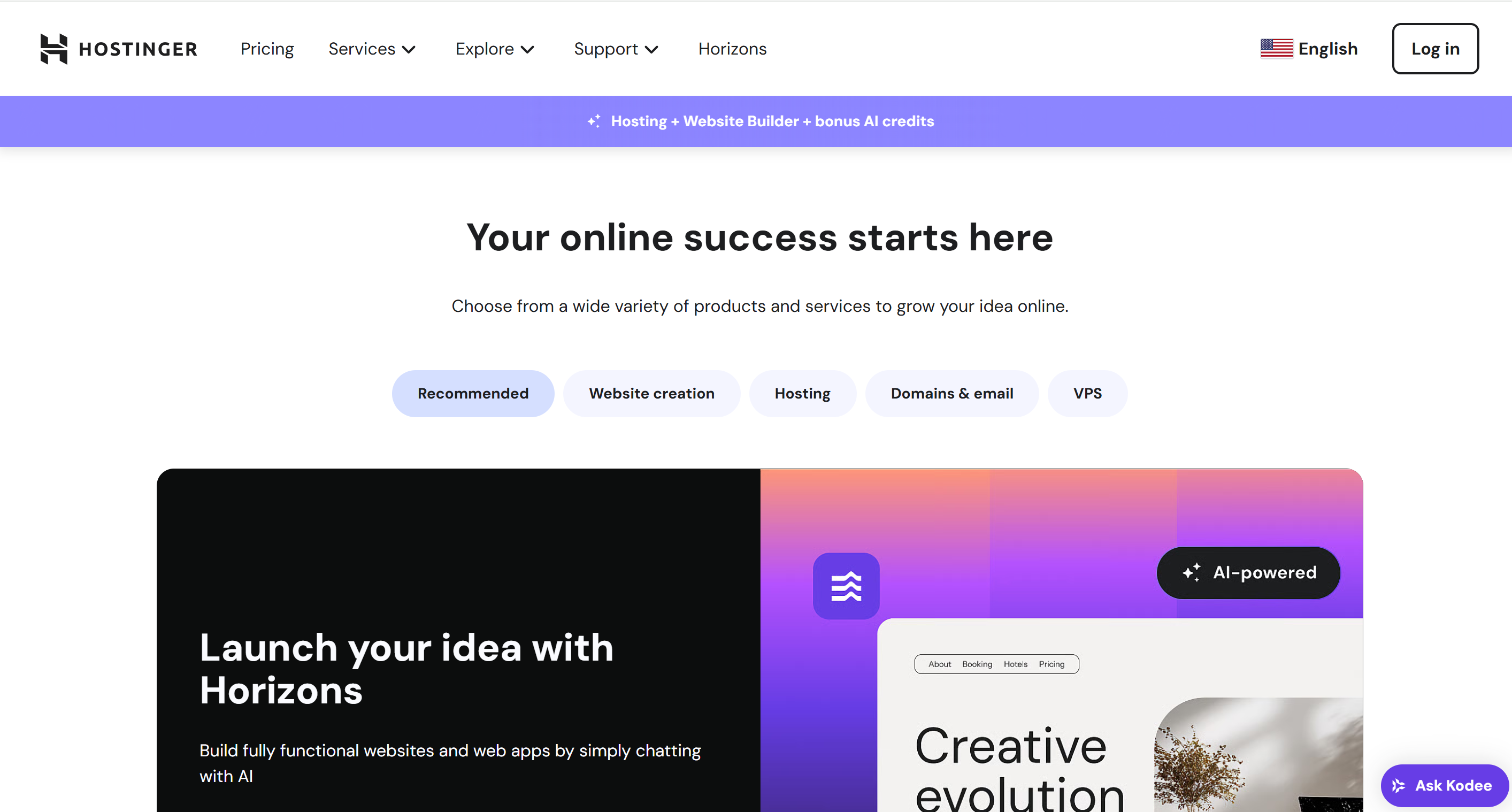
Hostinger provides website hosting and website-building tools, including options for creating an online shop. Its website builder offers a relatively straightforward setup process, making it an option for artists who want to establish an independent website without extensive technical knowledge.
Best For: Artists seeking an affordable website with straightforward online selling functionality.
Features
-
Drag-and-drop website builder
-
Website templates and design tools
-
Online product listings and payment integrations
-
Domain and hosting services
-
SEO and website management tools
Considerations
-
Design flexibility may be more limited than specialist website platforms
-
E-commerce capabilities depend on the selected product and plan
-
Fewer specialist portfolio features
-
Artists should consider ongoing subscription and renewal costs
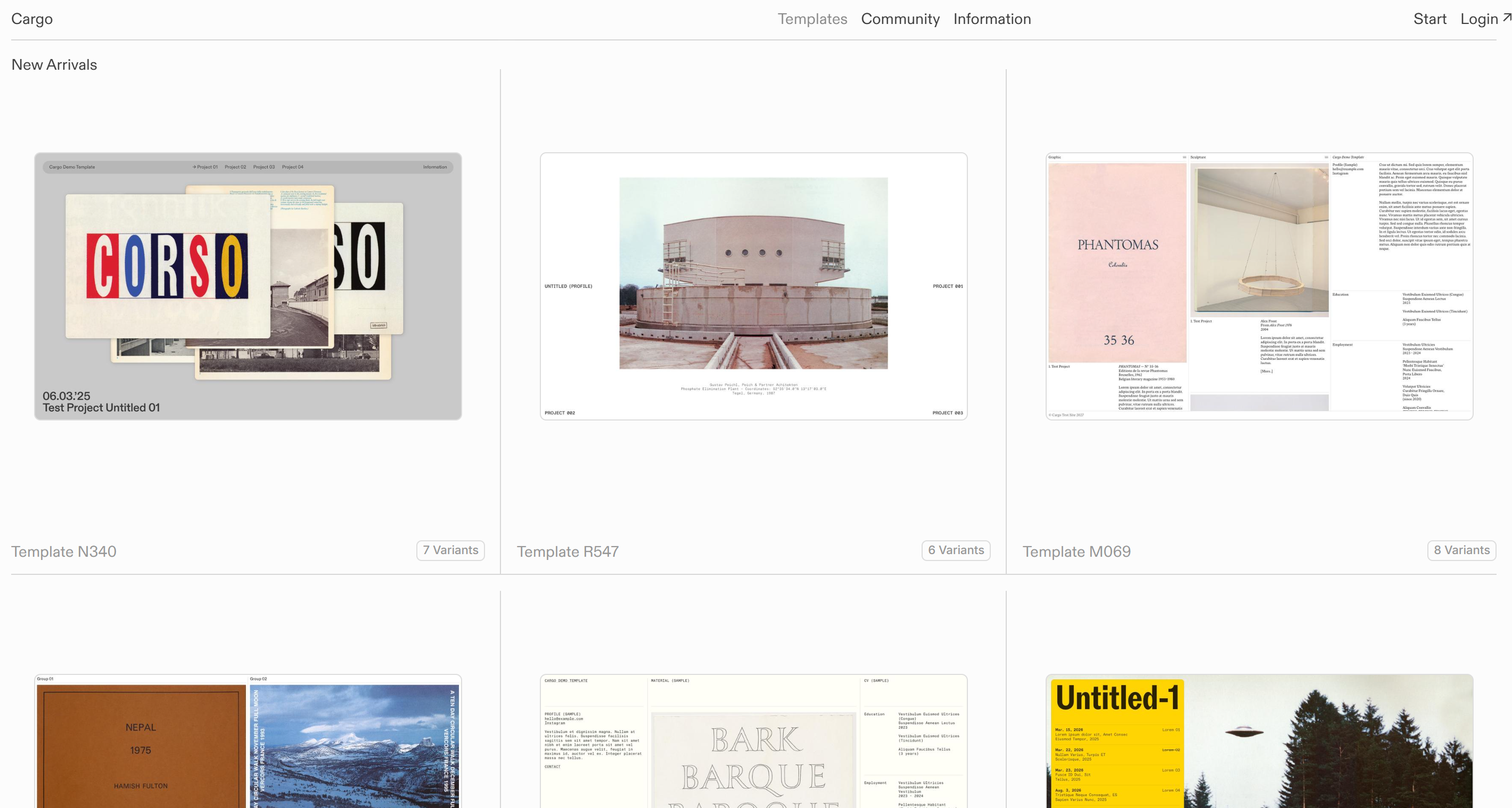
Cargo / cargo.site
Cargo is a website platform popular among visual artists, photographers and designers. It focuses on visual presentation and offers flexible tools for building distinctive portfolio websites, with additional functionality available for selling work online.
Best For: Artists and designers prioritising visual presentation alongside occasional online sales.
Features
-
Image-focused website layouts
-
Customisable portfolio and gallery pages
-
Flexible typography and design options
-
Online selling functionality through Cargo Commerce
-
Support for selected third-party integrations
Considerations
-
Commerce functionality involves additional costs
-
Fewer built-in retail management tools than dedicated e-commerce platforms
-
Limited native marketing and customer management features
-
May be less suitable for managing extensive product inventories

Square Online / squareup.com
Square Online is an e-commerce platform connected to Square's payment and point-of-sale systems. It is particularly useful for artists who sell their work at markets, exhibitions and events and want to manage their in-person and online sales through the same system.
Best For: Artists selling both online and in person.
Features
-
Online storefront and product listings
-
Integration with Square's payment and point-of-sale systems
-
Inventory and order management
-
Shipping and collection options
-
Basic website customisation and SEO tools
Considerations
-
More limited design flexibility than dedicated portfolio platforms
-
Transaction fees apply to online payments
-
Advanced features and customisation may require paid services
-
Less suited to artists seeking a highly customised portfolio website
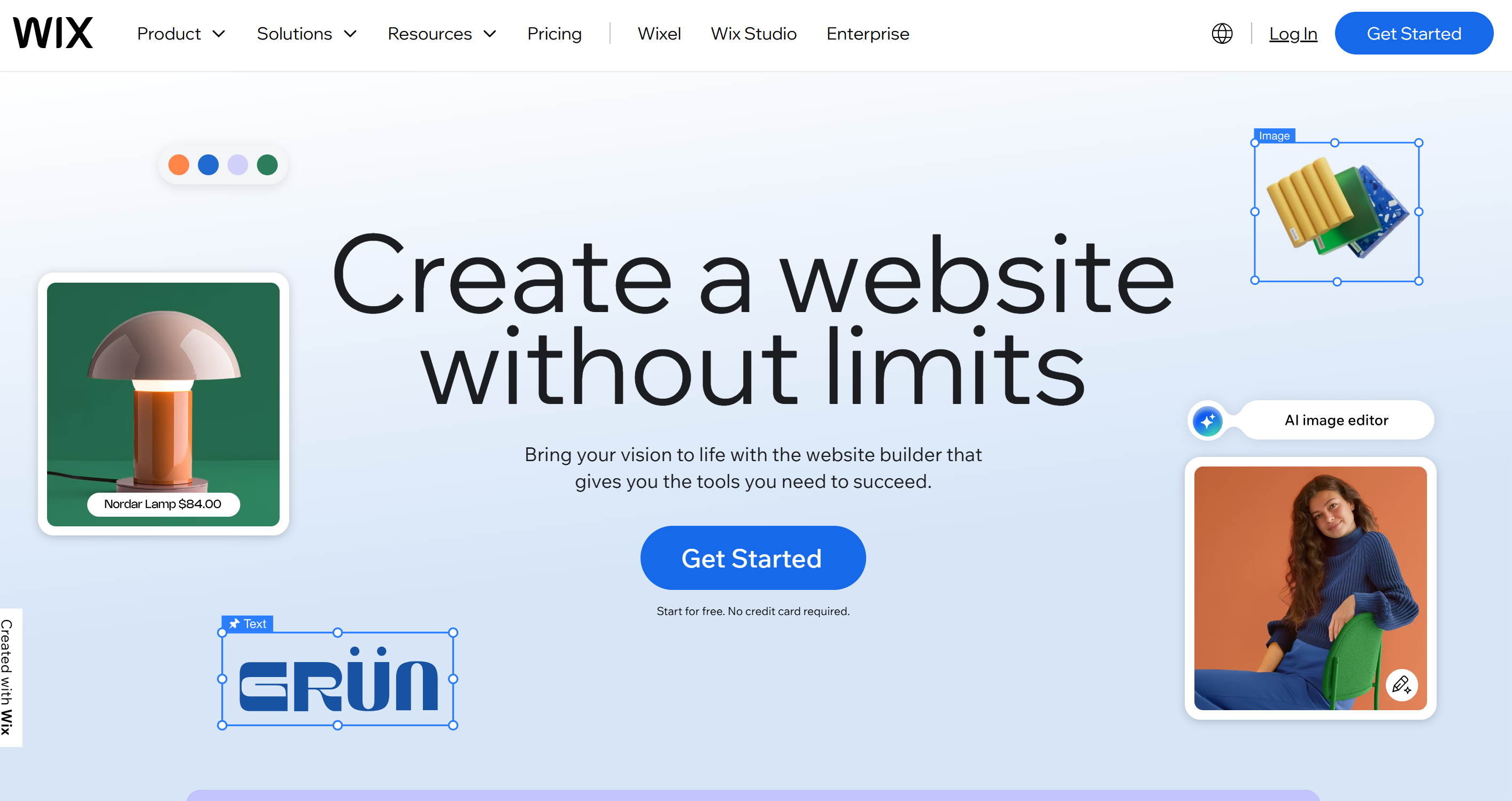
Wix / wix.com
Wix is a website builder offering extensive design and customisation options, alongside tools for managing an online shop. It allows artists to create websites that combine portfolios, products, services and other content without requiring coding experience.
Best For: Artists wanting greater control over their website design and functionality.
Features
-
Drag-and-drop website design tools
-
Customisable templates and layouts
-
Online shop and digital product functionality
-
Booking, blogging and content management tools
-
SEO, analytics and marketing integrations
Considerations
-
Extensive design options can make the setup process more time-consuming
-
Accepting online payments requires an eligible paid plan
-
Additional applications and services may involve extra costs
-
Website management can become more complex as features are added
Final Thoughts
Choosing the right platform is as much about purpose as it is about function. Are you building a store to grow a business, or offering a low-key shop alongside your practice? Is the priority a beautiful design, or automation and scalability?
There’s no single best option, just the one that reflects your current needs and future direction. Each of these platforms offers a different balance of design, control, and cost. The important part is doing the research, having a play with free trials, and making a choice that supports your work.